Stories built around history, curiosity, culture, ideas and adventure
A series for each generation to discover their own world of adventure

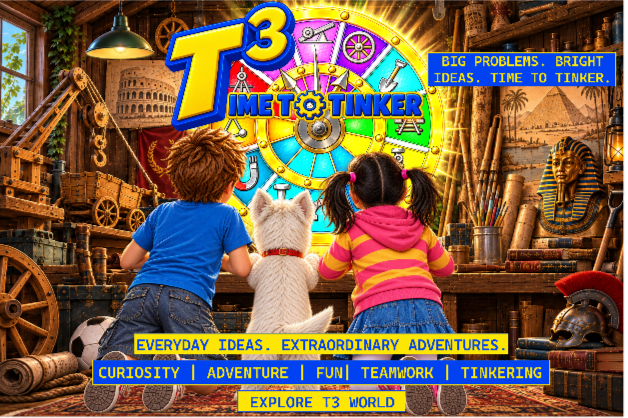



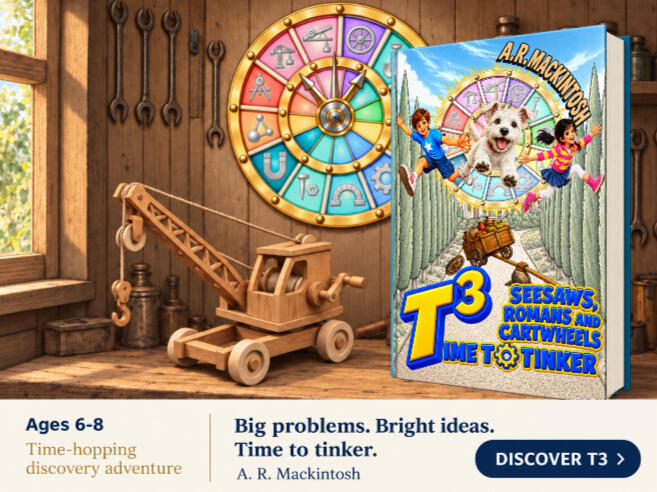

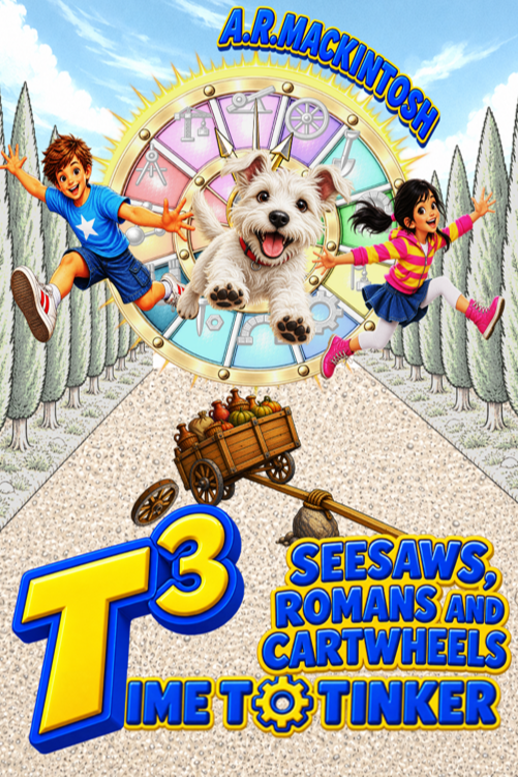
T³: TIME TO TINKER — BOOK 1
SEESAWS, ROMANS AND CARTWHEELS
Ages 6–8
Big problems. Bright ideas. Time to Tinker.
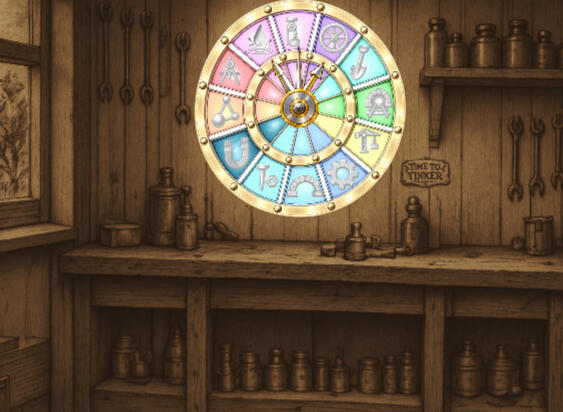
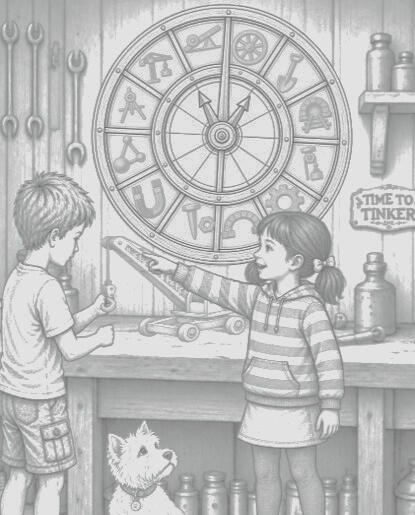
Tim, Tara and Teddy love tinkering in Mr Thomson’s cluttered shed, where broken toys, odd tools and half-finished projects are always waiting. But one afternoon the strange stained-glass Tinker Window begins to glow. Together they say the words beneath it — Time to Tinker — and step into Roman Britain, where an ordinary family, a broken cart and fading daylight turn curiosity into a real adventure.
NOBODY HAS ALL THE ANSWERS
Tim, Tara and Teddy bring curiosity, questions and imagination. The people they meet bring knowledge of their own world. The best solutions appear when everyone notices something useful and works together.
LOOK. TRY. THINK AGAIN.
Tim likes trying things. Tara likes looking first. In the Tinker Shed, ordinary objects become chances to notice, test and think again. Sometimes the most useful idea begins with something that seemed completely ordinary.
Tim, Teddy and Tara

A BROKEN CART ON A ROMAN ROAD
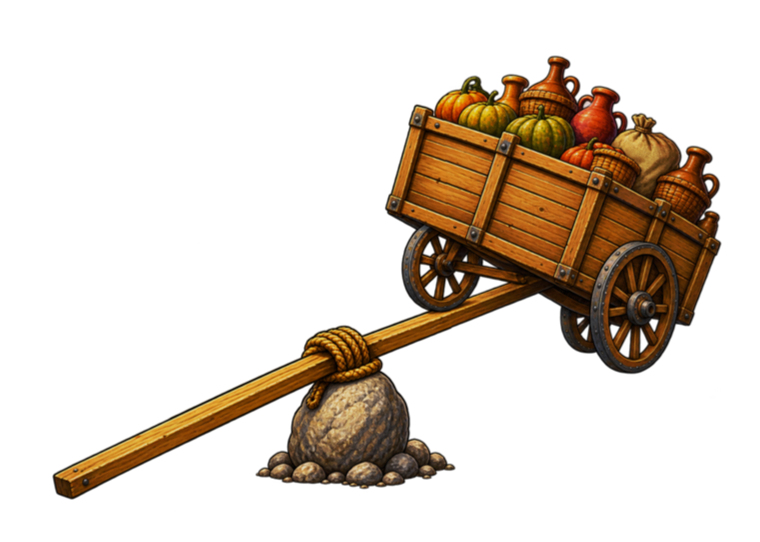
Beyond the Tinker Window, Tim, Tara and Teddy find themselves beside a Roman road, an enormous ox and a family in trouble.Mettus, Vicana and their daughter Casta need to get their heavily loaded cart home before dark.
But one wheel has come off and the cart has sunk too low to put it back.Tim’s first answer is simple: try harder.It does not work.So the children and the Roman family have to look again at the problem and at the ordinary things around them.Can they get the cart moving before daylight disappears?
BIG IDEAS HIDING IN ORDINARY THINGSChildren use simple engineering every day, usually without calling it engineering.A wheel turning. Something balancing. Something sliding. A load that will not move. A problem that needs another try.T³ takes those familiar experiences and turns them into adventures children can understand, set in wonderful places from the past.This time, the Tinker Window takes Tim, Tara and Teddy to Roman Britain.
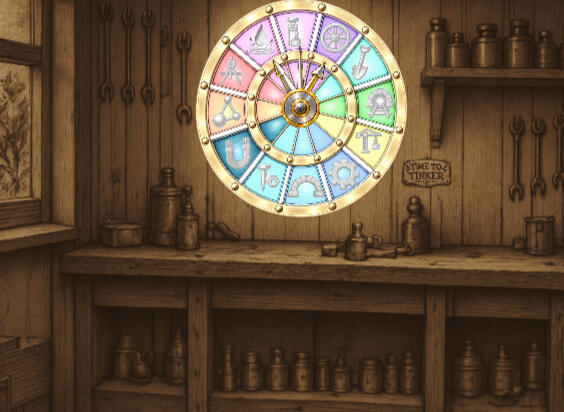
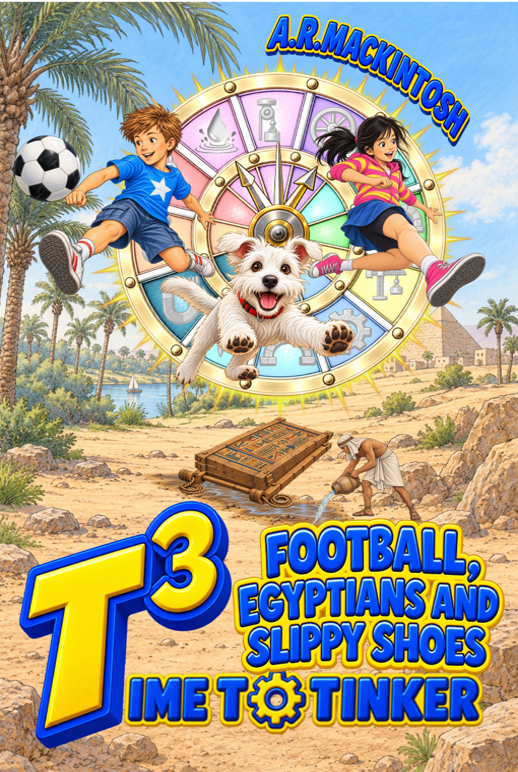
NEXT IN T³: TIME TO TINKERFOOTBALL, EGYPTIANS AND SLIPPY SHOESA muddy football slip. A heavy Egyptian door. Tim, Tara and Teddy need one bright idea to get things moving again.Book 2 — Coming Soon
ABOUT A R MACKINTOSH
A. R. Mackintosh created T³: Time to Tinker to bring together imagination, curiosity and the simple practical ideas children encounter every day.After 31 years working as an engineer, he believes wholeheartedly that uncomplicated engineering is all around us — in our bodies, our playgrounds, our homes and our classrooms — often hiding in plain sight.The series is designed to let young readers enjoy the adventure first — while discovering that looking closely, trying things and working together can take them surprisingly far.


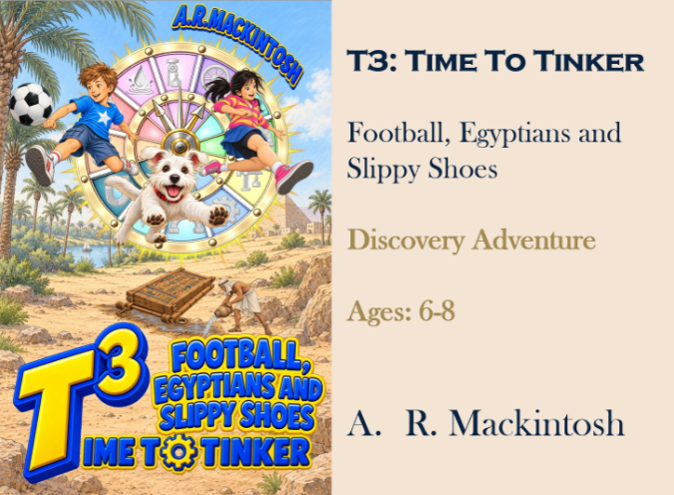
T³: TIME TO TINKER — BOOK 2
FOOTBALL, EGYPTIANS AND SLIPPY SHOES
Ages 6–8 – Coming Soon
Big problems. Bright ideas. Time to Tinker.
Tim, Tara and Teddy are back in Mr Thomson’s tinkering shed when the strange stained-glass Tinker Window begins to glow once again. This time it carries them to Ancient Egypt, where they meet a household group trying to move a heavy new door across the sand before dark. It looks like a simple job — until the wooden sledge carrying it refuses to move.
LOOK. TRY. THINK AGAIN.
Tim likes trying things. Tara likes looking first. In the Tinker Shed, ordinary objects become chances to notice, test and think again. Sometimes the most useful idea begins with something that seemed completely ordinary.
EVERYDAY THINGS CAN MATTER
Tim and Tara do not travel into the past with special knowledge. They take curiosity, questions and the everyday things they already understand — then discover that familiar experiences can sometimes matter in unexpected places.
Tim, Teddy and Tara

A HEAVY PROBLEM IN ANCIENT EGYPT
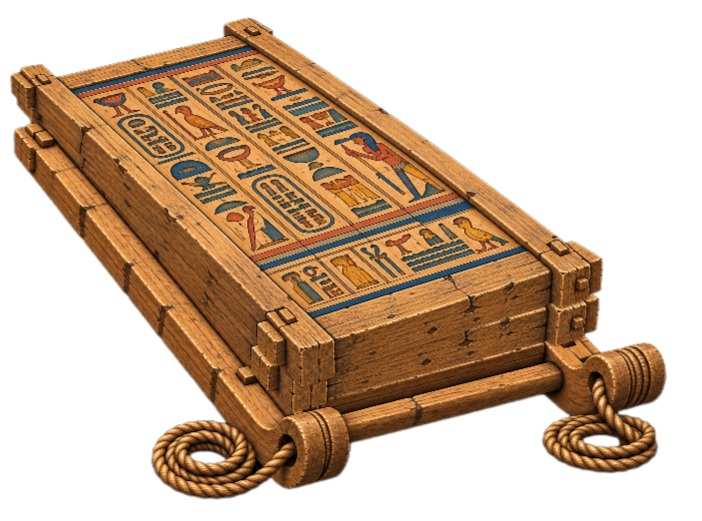
Beyond the Window, Tim, Tara and Teddy find themselves in Ancient Egypt, where a household group has a problem.A large replacement outer door needs to reach home before dark. It has been loaded onto a wooden sledge.
But the loose sand makes every step harder.Tim’s first instinct is familiar: pull harder.Everyone tries.The sledge barely moves.So once again, Tim, Tara and the people they meet have to stop and look at the problem differently.Somewhere around them may be the idea they need.Can they find it before daylight disappears?
BIG IDEAS HIDING IN ORDINARY THINGSChildren use simple engineering every day, usually without calling it engineering.A wheel turning. Something balancing. Something sliding. A load that will not move. A problem that needs another try.T³ takes those familiar experiences and turns them into adventures children can understand, set in wonderful places from the past.This time, the Tinker Window takes Tim, Tara and Teddy to Ancient Eygpt.
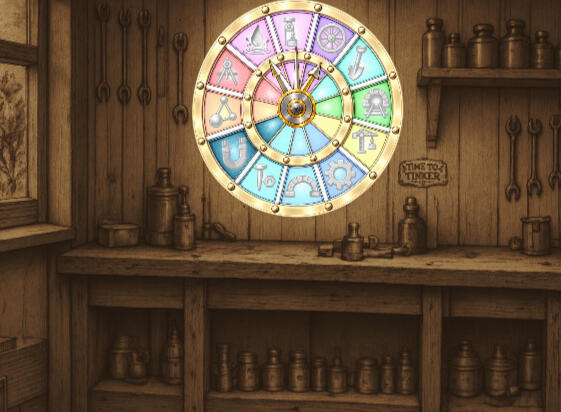
ALSO IN T³: TIME TO TINKERSEESAWS, ROMANS AND CARTWHEELS
The Tinker Window’s first adventure takes Tim, Tara and Teddy to Roman Britain, where a broken cart and a stranded family need more than simply pushing harder.
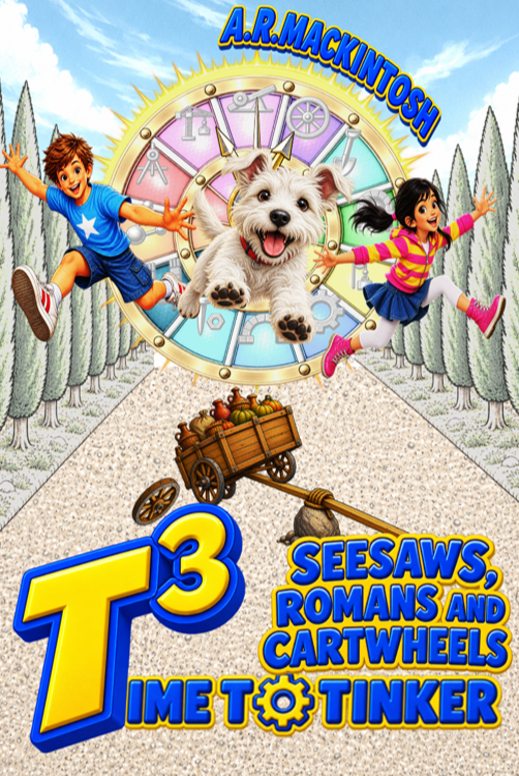
Book 3 — Coming Soon
ABOUT A R MACKINTOSH
A. R. Mackintosh created T³: Time to Tinker to bring together imagination, curiosity and the simple practical ideas children encounter every day.After 31 years working as an engineer, he believes wholeheartedly that uncomplicated engineering is
all around us — in our bodies, our playgrounds, our homes and our classrooms — often hiding in plain sight.The series is designed to let young readers enjoy the adventure first — while discovering that looking closely, trying things and working together can take them surprisingly far.

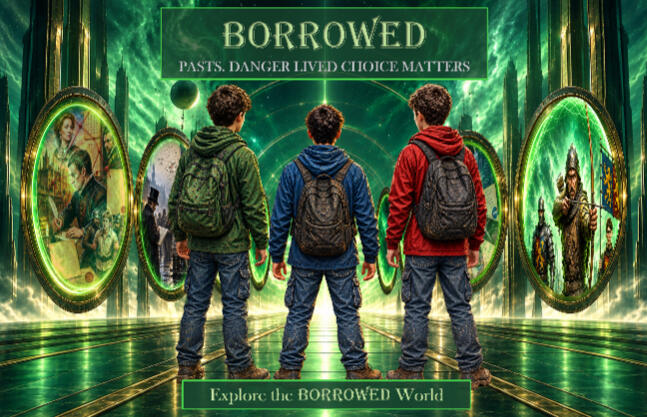
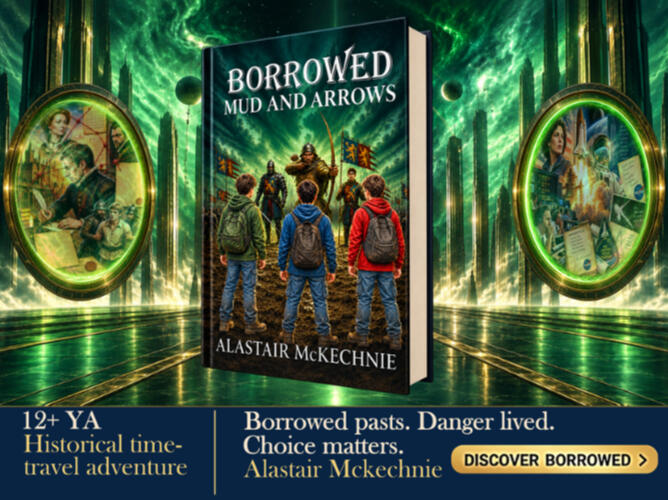
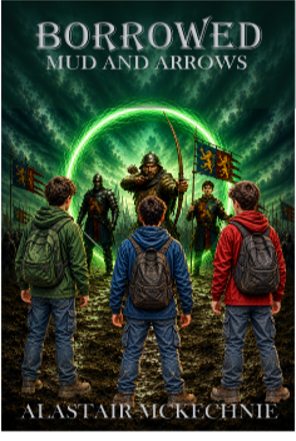
BORROWED — BOOK 1
MUD AND ARROWS
Ages 12+Borrowed pasts. Danger lived. Choice matters
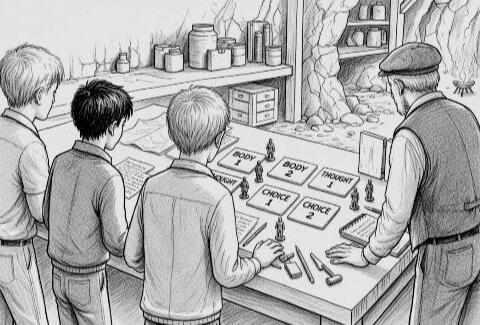
Roderick, Angus and Freddie expect an ordinary half-term with Granddad in northern France. Instead, beneath his workshop they discover a hidden cavern, three mysterious figures and a way into the past. Their destination is Agincourt, 1415 — but they do not simply visit history. Each boy borrows the body of someone already living inside it.
BORROW A BODY. LIVE THE HISTORY.Roderick, Angus and Freddie do not simply travel into the past. Each borrows another person’s body — seeing through their eyes, feeling what they feel and experiencing history from inside a life already being lived.
THEY ARE NOT AVATARS
The boys can experience everything their hosts do, but controlling them is another matter. Each man has his own memories, loyalties, fears and choices — and even the smallest influence may carry consequences.
Angus, Roderick and Freddie

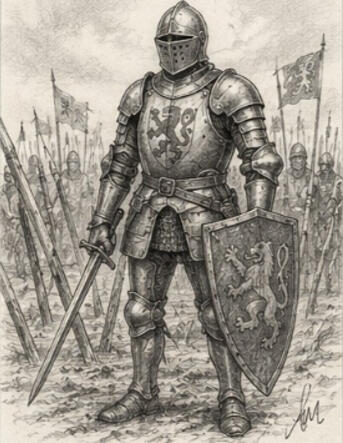
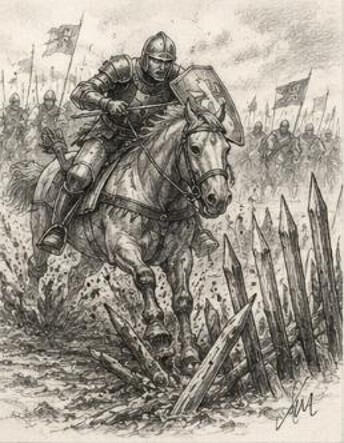
THREE BOYS. THREE BORROWED BODIES. ONE BATTLE.Roderick borrows the body of English archer John Radwell. Angus wakes inside the knight William Harrington. Freddie finds himself inside Tallbot, a royal herald moving between commanders and armies.At first, Agincourt feels like the greatest historical game ever invented.Then the mud deepens. Arrows fall. Horses charge. Armour weighs men down. Fear becomes real.The boys discover that their hosts are not characters they can simply command.And when an order is given that none of the boys can accept, surviving Agincourt is no longer the only thing that matters.
WHAT WOULD YOU DO IF HISTORY COULD HEAR YOU?BORROWED turns history into something lived rather than observed.The boys enter real moments from the past inside other people’s bodies, inheriting their senses, danger and limitations — but never complete control.They know what history eventually records. Their hosts do not.That difference creates the real adventure: not only what happened, but what it might feel like to be trapped inside the moment, knowing that even a hesitation, a thought or a choice could matter.History provides the danger. Borrowing makes it personal.
NEXT IN BORROWEDPLOTS, CYPHER AND SPIESA royal conspiracy. Three borrowed lives.This time Roderick, Angus and Freddie choose to return to the past with a new question:Can they deliberately influence the people whose bodies they Borrow?
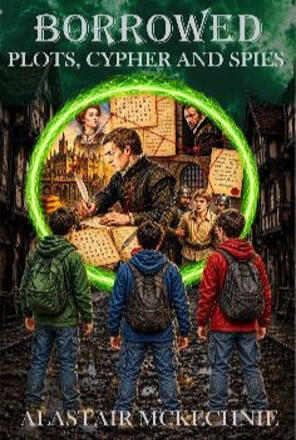
ABOUT ALASTAIR McKECHNIEAlastair McKechnie spent more than thirty years in the British Army as a Royal Engineer, living, working and travelling in many parts of the world.BORROWED grew from his fascination with history, responsibility and choice — and a wish to let younger readers experience the past as something lived, not simply learned.

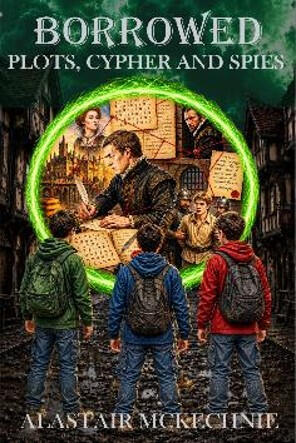
BORROWED — BOOK 2
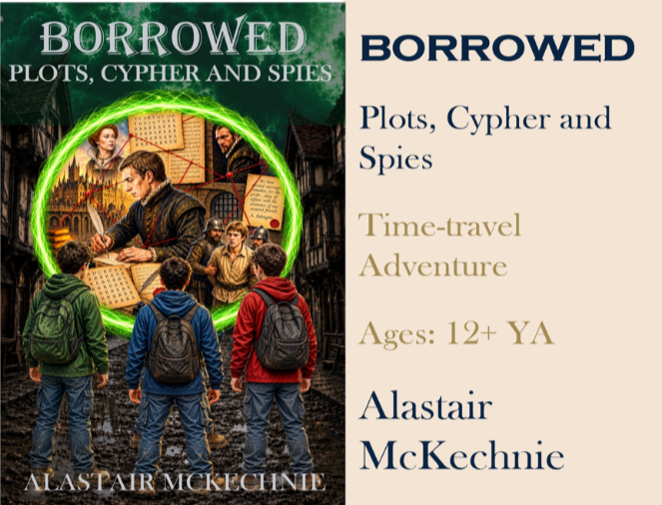
PLOTS, CYPHER AND SPIES
Ages 12+Borrowed pasts. Danger lived. Choice matters.
Agincourt is over, but Roderick, Angus and Freddie have not quite left it behind. Their bodies still remember things their hosts knew, and each boy recalls moments when a man in 1415 seemed to notice him. So they choose to return — this time to England in 1586, where spies, coded letters and divided loyalties offer three very different lives to Borrow.
THIS TIME, THEY CHOOSE TO GO BACKThe boys survived Borrowing once. Now they return deliberately, choosing three people inside the Babington Plot to test whether influence can travel both ways — from the borrowed body back into the host.
BODY. MIND. CHOICE.Can they influence a movement, a thought or a decision? Each attempt teaches them more about what Borrowing can do — and how difficult it is to change another person without taking away who they are.
Angus, Roderick and Freddie

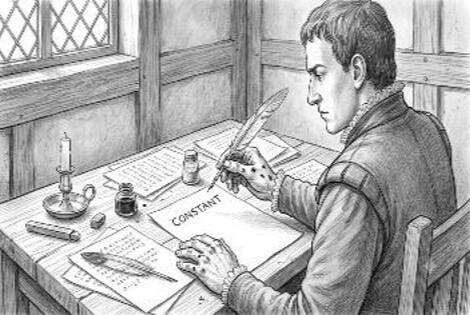
THREE BOYS. THREE BORROWED BODIES. ONE CONSPIRACYRoderick borrows the body of Thomas Phelippes, the brilliant cypher expert helping to uncover Mary, Queen of Scots’ secret correspondence.Freddie finds himself inside Robert Poley — a spy trusted by the conspirators while secretly reporting outwards.Angus enters Anthony Babington, master plotter, caught at the centre of the conspiracy against Elizabeth I.Across four Tudor days, the boys begin testing what influence really means.A movement. A thought. A memory. A choice.But the deeper they reach, the clearer one thing becomes: their hosts are still people.And when the plot begins to collapse around them, the experiment stops feeling controlled.
WHAT HAPPENS WHEN WATCHING HISTORY ISN’T ENOUGH?BORROWED begins with the chance to experience history from inside another person’s body.Book Two asks what happens when the boys deliberately try to influence what comes next.They still cannot simply command their hosts. Influence has to work through what a person already knows, remembers, wants or values.The question is no longer only, Can they change something?It becomes, Should they?History provides the danger. Borrowing makes the choice personal.
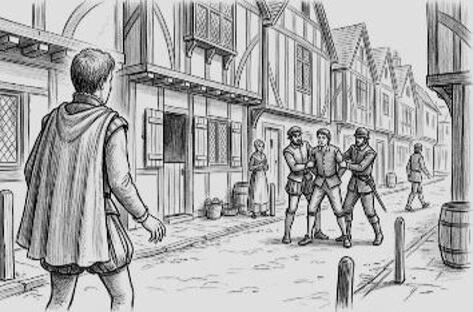
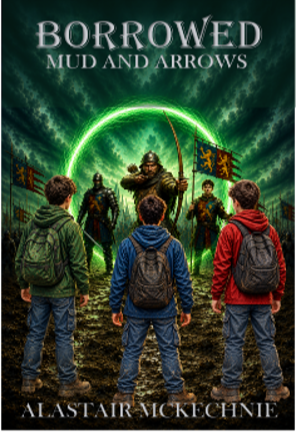
ALSO IN BORROWEDMUD AND ARROWS
At Agincourt, Roderick, Angus and Freddie first discover what it means to Borrow another person’s body — and that history becomes very different when the danger, fear and choices are suddenly theirs too.re than simply pushing harder.
Book 3 — Coming Soon
ABOUT ALASTAIR McKECHNIEAlastair McKechnie spent more than thirty years in the British Army as a Royal Engineer, living, working and travelling in many parts of the world.BORROWED grew from his fascination with history, responsibility and choice — and a wish to let younger readers experience the past as something lived, not simply learned.

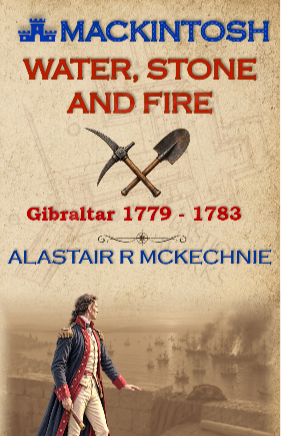
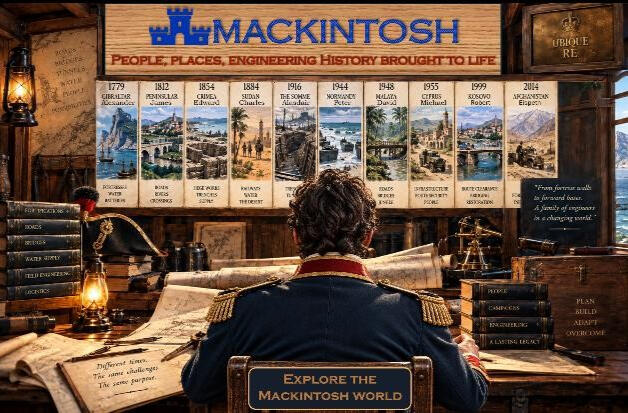
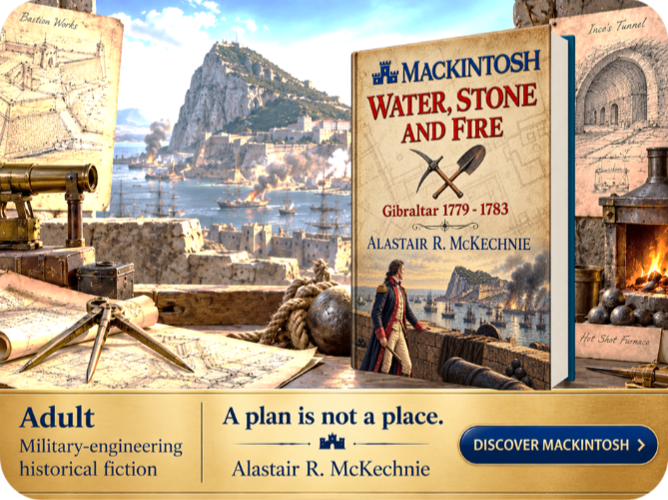
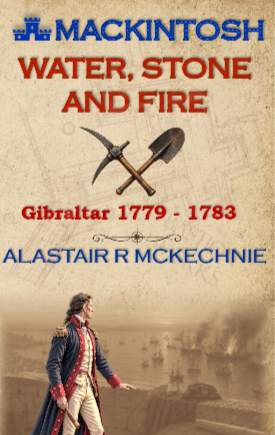
MACKINTOSH — BOOK 1
WATER, STONE AND FIRE
GIBRALTAR 1779–1783
AdultMilitary engineering brought to life through real history.
Captain Alexander Mackintosh arrives at Gibraltar believing that plans, measurements and disciplined orders can make military success controllable. The siege teaches him otherwise. Water runs short. Timber and labour must be fought over. Repairs fail under fire. Every line drawn at an officer’s table has to be made real by people who are hungry, exhausted or afraid.
REAL HISTORY. REAL AND FICTIONAL CHARACTERS.The campaign, major events and many of the people are real. Alexander Mackintosh provides the fictional viewpoint, moving among historical figures whose documented actions remain part of the story.
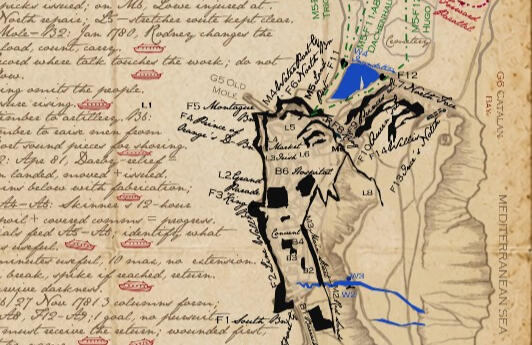
THE ENGINEERING BEHIND THE BATTLEWater, timber, batteries, tunnels, artillery, labour and information all shape survival. The engineering is not background detail — it becomes part of the action because people must build, repair, carry and endure it.

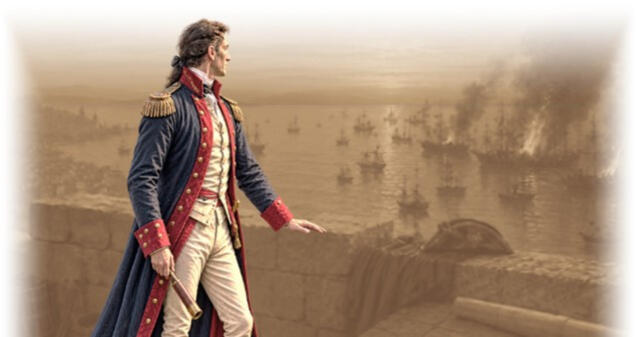
A FORTRESS UNDER PRESSURESpain has closed the landward approaches to Gibraltar, and Alexander has arrived to help defend the Rock.Working beside Sergeant Caleb Shaw and historical figures including Governor Eliott, Chief Engineer William Green, Sergeant-Major Ince and Lieutenant Koehler, he begins to understand that a fortress depends on far more than walls and guns.Water, timber, tools, labour, routes and trust all matter.When a chain of small failures kills a soldier, Alexander is forced to confront the human cost of engineering decisions made under pressure.As the siege tightens, he must learn how plans become work — and how the smallest weakness in a system can become a matter of life and death.efore daylight disappears?
THE HISTORY IS REAL. THE FLAVOUR IS INTERPRETED.The Mackintosh Engineers blends real historical figures, real events and documented engineering with fictional protagonists and supporting characters.The history provides the framework and the limits. Fiction supplies continuity, viewpoint, dialogue, private moments and the human connections that let the reader move through the campaign.The aim is not to replace the record, but to bring it to life — to show how famous events may have felt to the people planning, building, repairing and surviving them.Engineering becomes story because people have to make it work.memory alone.
NEXT IN THE SERIESFORTS, ROADS AND RIVERSThe story continues in Spain in 1812.
Alexander’s son James enters a very different Engineer war — one of roads, crossings, scarcity, retreat and the judgement required to keep an army moving.
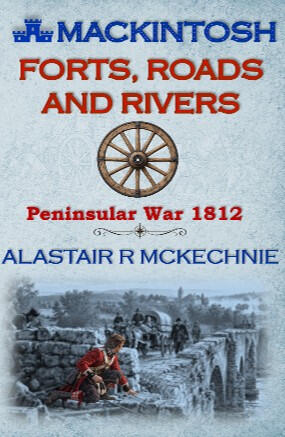
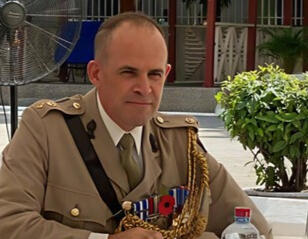
ABOUT ALASTAIR R McKECHNIEAlastair R McKechnie served for thirty-one years as a British Army Royal Engineer officer.He writes historical military fiction that brings the engineering behind famous campaigns into the human story — the plans, labour, judgement and practical work carried out by officers, soldiers, artificers, drivers and civilians under pressure.
MACKINTOSH — BOOK 2
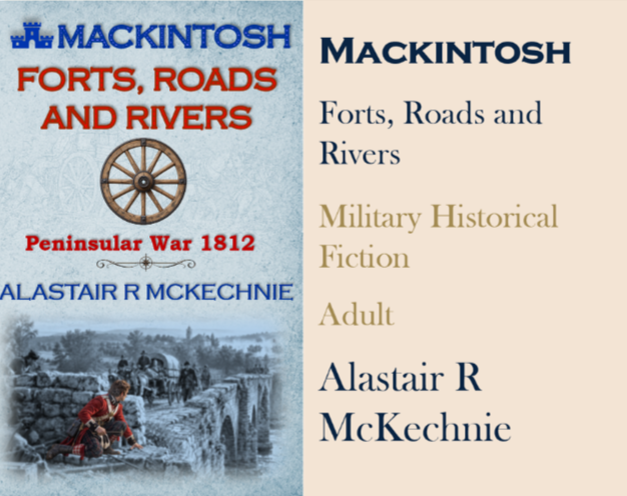
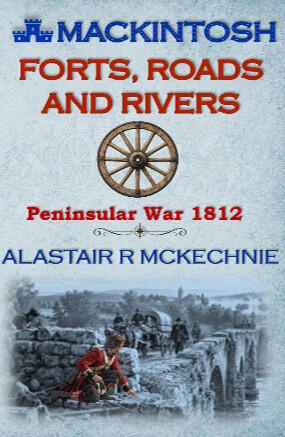
FORTS, ROADS AND RIVERS
THE PENINSULAR WAR, 1812
AdultMilitary engineering under campaign pressure
Captain James Mackintosh goes to Spain as an infantry officer and is increasingly drawn into Engineer work. From Salamanca to Burgos and the retreat west, he discovers a different kind of military engineering: roads that fail, crossings that become dangerous, scarce tools and labour, and bridges that must remain standing until the last possible moment — then be destroyed before the enemy can use them.
REAL HISTORY. REAL AND FICTIONAL CHARACTERS.James Mackintosh provides the fictional viewpoint within a real campaign, serving alongside historical officers and events whose documented roles remain intact. The fiction gives the reader continuity; the history sets the limits.
AN ENGINEER WAR OF MOVEMENTThis is engineering beyond fortress walls: roads, wagons, rivers, bridges, tools, labour and timing. Success often means keeping an army moving when mud, scarcity, exhaustion and enemy pressure are working against it.
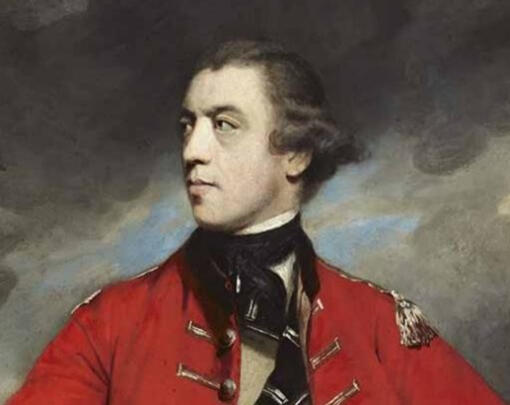
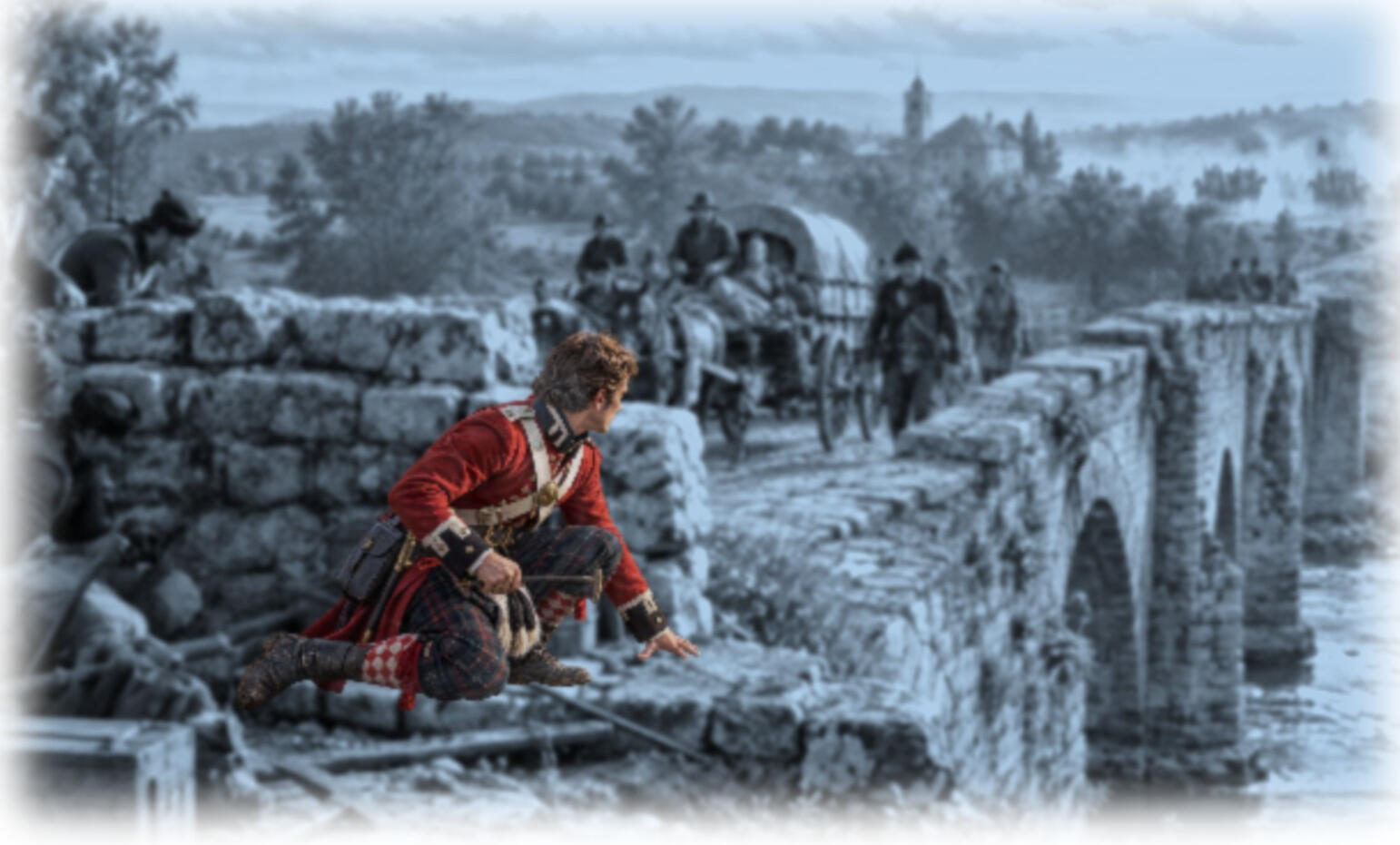
FROM SALAMANCA TO RETREATJames reaches Salamanca as an infantry captain repeatedly borrowed for Engineer work.At the fortified convents he learns how much labour, material and coordination lie behind a military order.
At Burgos, too few trained Engineers, too few tools and too little time turn every task into a choice about what can actually be achieved.Then the campaign reverses.Roads collapse under traffic. Crossings fail. Bridges that carried the army forward must now help sustain retreat before
being denied to the French.At San Isidro, the charges are ready before the last friendly traffic has crossed.James must decide when to destroy the bridge — without perfect knowledge of who may still be behind him.
THE HISTORY IS REAL. THE FLAVOUR IS INTERPRETED.The Mackintosh Engineers blends real historical figures, real campaigns and documented engineering with fictional protagonists and supporting characters.The Peninsular War provides the framework. James gives the reader a continuous human viewpoint through it.The fiction interprets the private moments: conversations, reactions, relationships and the lived experience behind the record.The engineering remains central because campaigns depend on it — not only forts, but roads, rivers, crossings, transport, labour, demolition and judgement.The result is history experienced from inside the work that made movement possible.

ALSO IN THE SERIESWATER, STONE AND FIREThe Mackintosh story begins at Gibraltar, 1779–1783, where James’s father Alexander learns that walls, batteries and plans only work when people, materials and systems can make them real.
Book 3 Coming
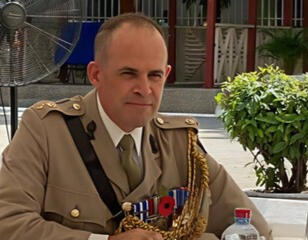
ABOUT ALASTAIR R McKECHNIEAlastair R McKechnie served for thirty-one years as a British Army Royal Engineer officer.He writes historical military fiction that brings the engineering behind famous campaigns into the human story — the plans, labour, judgement and practical work carried out by officers, soldiers, artificers, drivers and civilians under pressure.
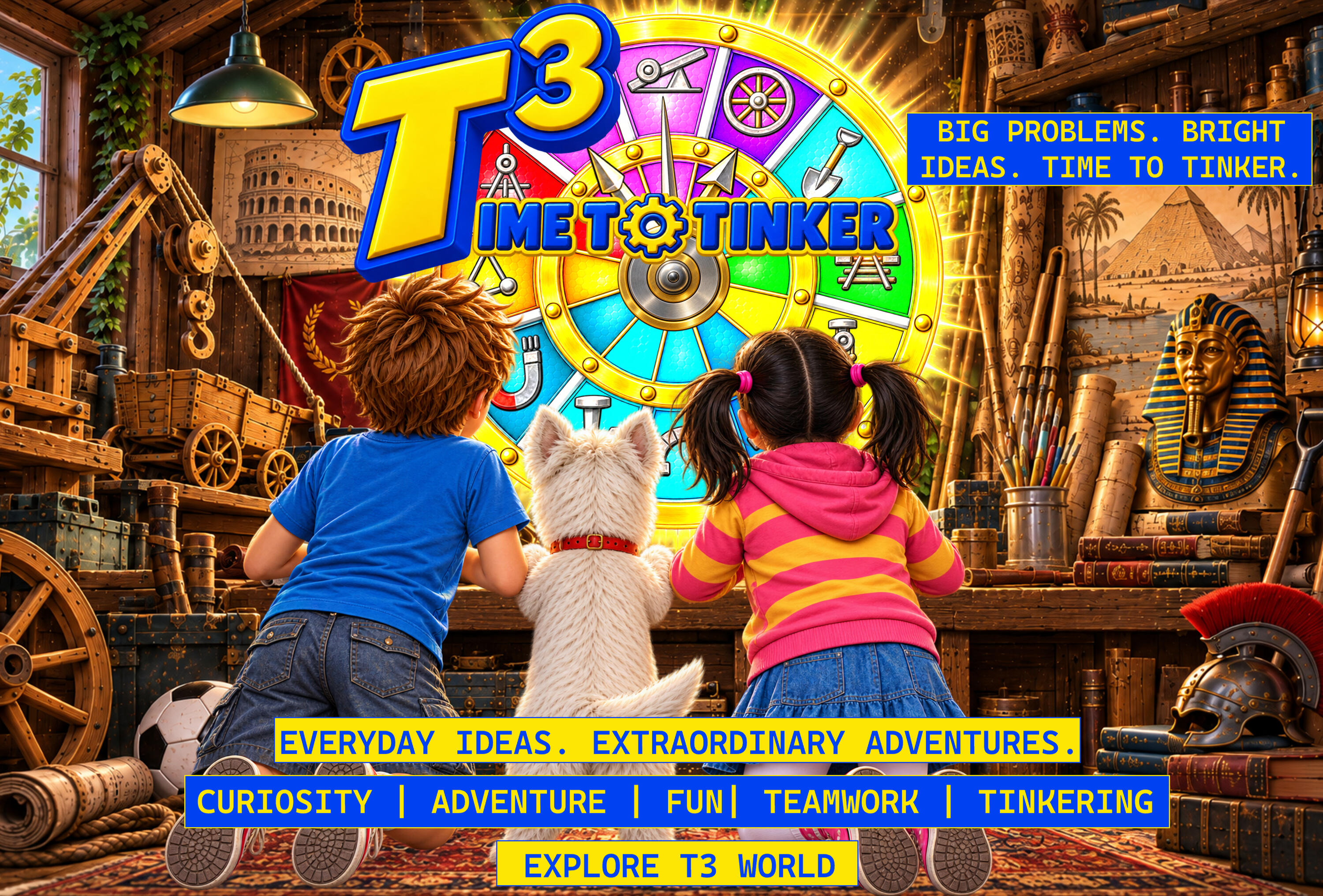
Illustrated children’s Historical/ Time-hopping adventure novel
Ages 6–8; developing independent readers and shared readingBig problems. Bright ideas. Time to Tinker.Tim, Tara and Teddy tumble through a magical workshop Window into wonderful moments from the past.In every adventure they meet ordinary people with a practical problem and use curiosity, observation, trying, failure and teamwork to help.The children never arrive with all the answers — and the people they meet know their own world.
WHAT INSPIRED T³ Time to TinkerChildren already meet simple engineering every day.Things roll, balance, slide, lift, stick, turn and move — usually without anyone calling it engineering.T³ takes those familiar experiences and turns them into magical adventures that young readers can understand.The aim is not to teach a lesson first. It is to create a funny, exciting story in which noticing ordinary things becomes useful. Adventure comes first.
WHAT MAKES IT DIFFERENT?ORDINARY CHILDREN. ORDINARY IDEAS. EXTRAORDINARY ADVENTURES.
Tim likes trying things. Tara likes looking first. Teddy notices things nobody expects.They are not miniature experts sent into the past to teach people how things work.They notice, try, fail, adapt and work with the people they meet.The best answer belongs to everyone: the children bring curiosity; the historical people bring local knowledge, judgement and experience.
CURIOSITY
What happens if we try something different?
ADVENTURE
A magical Window can open onto almost anywhere.
FUN
Things go wrong. Teddy gets involved. Not every first idea works.
TEAMWORK
The children and the people they meet solve problems together.
TINKERING
Look. Try. Think again.
ABOUT A R MACKINTOSH
A. R. Mackintosh created T³: Time to Tinker to bring together imagination, curiosity and the simple practical ideas children encounter every day.After 31 years working as an engineer, he believes wholeheartedly that uncomplicated engineering is all around us — in our bodies, our playgrounds, our homes and our classrooms — often hiding in plain sight.The series is designed to let young readers enjoy the adventure first — while discovering that looking closely, trying things and working together can take them surprisingly far.

Younger-teen historical time-travel adventure
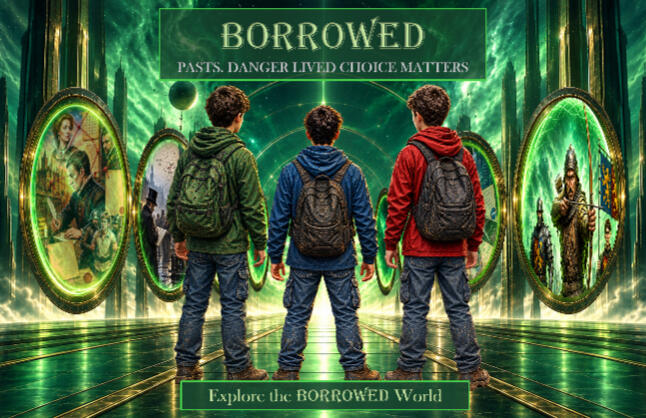
Primary 12+; core approximately 12–15Borrowed pasts. Danger lived. Choice matters.Roderick, Angus and Freddie do not simply travel into history. They borrow the bodies of people already living inside it — inheriting their senses, skills, memories, relationships and danger.What begins as an extraordinary way to experience the past becomes a series about courage, responsibility, power, consent, loyalty and consequence.
WHAT INSPIRED THE BORROWED SERIESHistory often arrives after everything is known: the battle is over, the decision has been judged and the outcome sits neatly in a book.BORROWED begins from a different question:What would history feel like before anyone knew what happened next?The series puts three modern boys inside other people’s lives so they experience the uncertainty, fear, incomplete information and human consequences hidden behind the finished historical account.
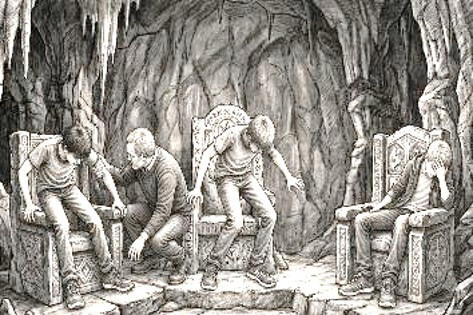
WHAT MAKES IT DIFFERENT?BORROW A BODY. LIVE THE HISTORY. CHOICE MATTERS
The distinctive engine is not simply time travel.The boys borrow another person’s body, senses, memories, habits, fears, relationships and social position. The host remains a person, not equipment.The boys may observe, influence or sometimes cooperate — but they never simply become all-powerful avatars.As their ability grows, so does the moral question:If they can change something, does that mean they should?That is the core distinction.
HISTORY FROM THE INSIDE
The past is experienced through people already living there.
ADVENTURE WITH CONSEQUENCES
Danger is physical, but choices also affect hosts and other lives.
THREE DIFFERENT VIEWPOINTS
Roderick, Angus and Freddie bring different instincts, strengths and arguments to every mission.
CHOICES THAT MATTER
The series grows from surviving history to influencing it — and questioning the right to intervene.
ABOUT ALASTAIR MCKECHNIE
Alastair McKechnie writes BORROWED for younger readers who enjoy adventure, history and difficult choices.His interest lies not only in what happened, but in what people could know at the time, what choices were available to them, and how responsibility changes when someone has the power to interfere.He spent more than thirty years in the British Army as a Royal Engineer, living, working and travelling in many parts of the world.

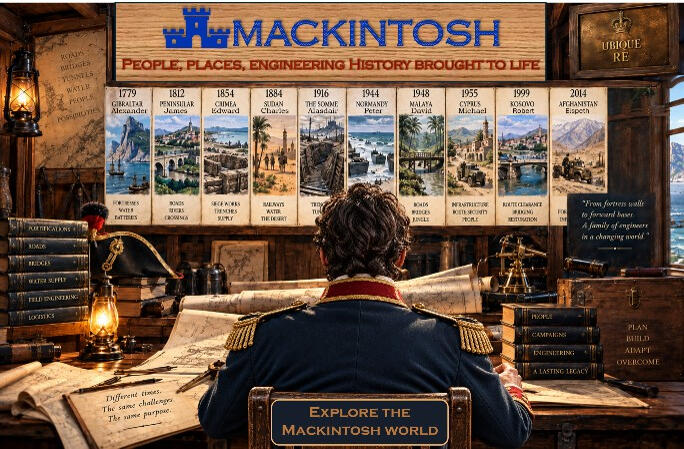
Adult historical military fiction
AdultPeople. Places. Engineering. History brought to life.The Mackintosh Engineers follows successive generations of one fictional military family through real campaigns in which engineering shapes what armies can do — and what people must endure.The series is historical military fiction first. Its distinction is that engineering is the dramatic engine rather than technical background: the line on a plan becomes labour, risk, survival and consequence.
WHAT INSPIRED THE MACKINTOSH SERIES
Thirty-one years as a Royal Engineer made one thing impossible to ignore: campaigns are shaped not only by battles and commanders, but by the people who make places usable.Fortifications, water, roads, crossings, transport, demolition, drainage, survivability and logistics all determine what an army can actually do.The series grew from a desire to put that often-overlooked work back at the centre of the story.
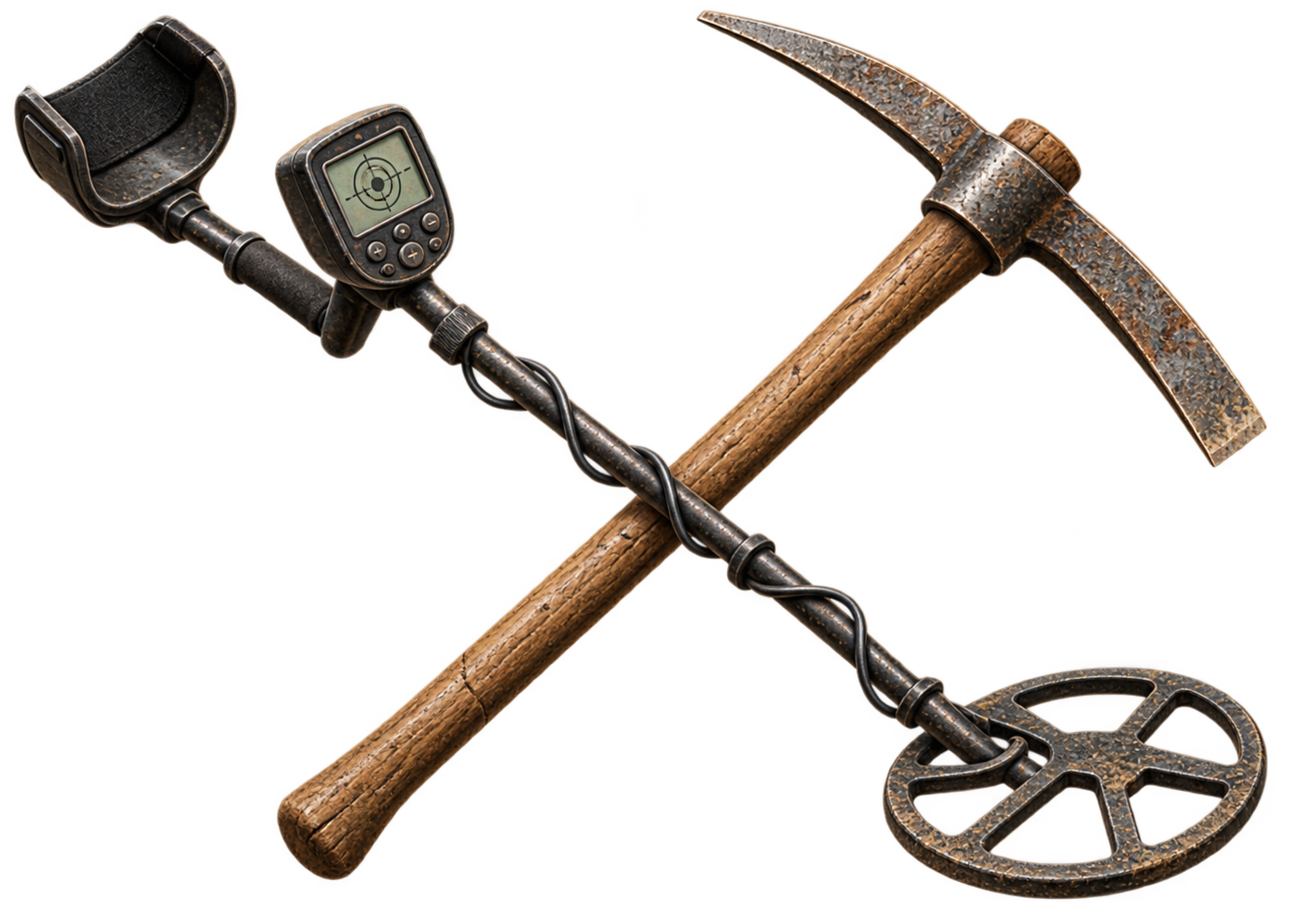
WHAT MAKES IT DIFFERENT
REAL HISTORY. REAL AND FICTIONAL CHARACTERS.The campaigns, major events and many of the people are real.Historical figures retain the decisions, achievements and failures recorded for them. Alongside them, fictional Mackintosh protagonists and supporting characters provide continuity and a human viewpoint through the campaign.The history is real. The private conversations, reactions, relationships and some day-to-day detail are interpreted through fiction.Real history is the spine. Fiction is the lens.The officer may draw the line, but soldiers, artificers, servants, drivers, civilians, labourers and animals make it real
— and carry its cost.
HISTORY FROM A DIFFERENT ANGLE
Familiar campaigns seen through the practical work that made them possible.
ENGINEERING MADE HUMAN
Roads, bridges, water, tunnels, transport and demolition become drama because people must make them work.
REAL PEOPLE IN REAL CAMPAIGNS
Historical figures act alongside fictional characters without losing ownership of their documented achievements.
DECISIONS UNDER PRESSURE
Plans collide with bad ground, scarce resources, exhausted people, incomplete information and time.
ABOUT ALASTAIR R MCKECHNIE
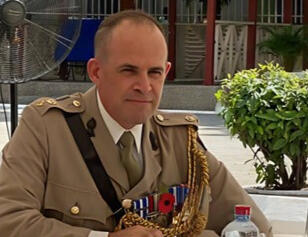
Alastair R McKechnie served for thirty-one years as a British Army Royal Engineer officer, including operational deployments to Kosovo, Iraq , Afghanistan and Mali. He served as a Defence Attache in West Africa and in multiple NATO Engineer advisery roles.
He writes historical military fiction about the military engineering work behind campaigns: the officers who plan it, the soldiers and artificers who make it real, and the people who live with its consequences.